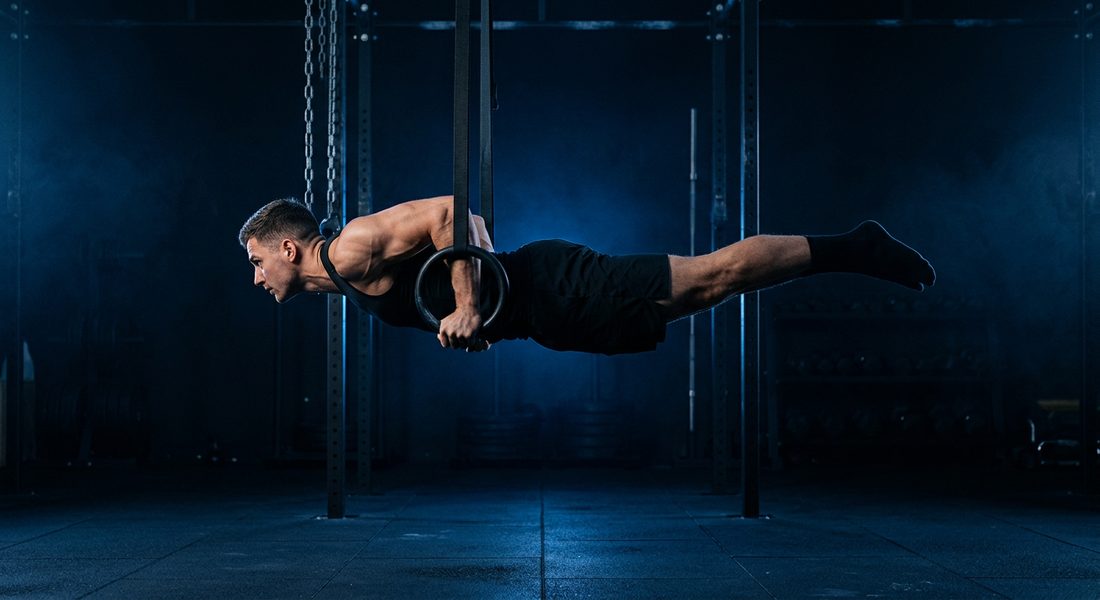
Your path

Build strength first.
Then earn the skills.

Calisthenics is learned in layers: control → strength → fundamentals → skills. Each rung below exists because the one above it needs the strength, range and tension it builds.

Begin here

The roadmap

Four stages, in order

Skipping stages often leaves strength or control gaps. Build the base first.

  1. 1

    Stage 1

    Foundation — build the base

    Joints, scapular control, core tension, basic push / pull / legs.

    Before anything looks impressive, your shoulders, elbows and wrists need to tolerate load. Hangs, planks, incline push-ups and squats come first.

    Start here
  2. 2

    Stage 2

    Fundamentals — own your bodyweight

    Clean push-up, pull-up, dip, pike press, squat and hollow-body work.

    Full range, no sagging hips, no kipping. Every advanced skill is just these patterns under harder leverage.

    Build next
  3. 3

    Stage 3

    Skill strength — build specific capacity

    Straight-arm strength, compression, balance, explosive pull, single-leg control.

    Now you train the qualities a skill needs: tuck holds, L-sits, wall handstands, explosive pull-ups and pistol progressions.

    Unlock after fundamentals
  4. 4

    Stage 4

    Advanced skills — earn the skill

    Advanced targets: handstand, front lever, back lever, planche, muscle-up and human flag.

    Skills are the result of stages 1-3, not a shortcut past them. Train them fresh, in low volume, with honest form.

    Advanced

Before you chase skills

Foundation readiness

Approximate readiness targets — guidance, not medical requirements. Comfortable control and clean reps matter more than hitting a number quickly.

Push

8-15 controlled incline or full push-ups

Whole body tense, elbows tracking back, chest to the same depth each rep.

Pull

20-40s dead hang + 8-12 inverted rows

Build the hang and the row before chasing strict pull-ups.

Core

20-40s hollow-body hold

Low back flat on the floor. If it arches, shorten the lever.

Legs

15-20 bodyweight squats + 8-10 split squats per side

Heel down, knee tracking, no wobble at the bottom.

Shoulders / scapulae

10 scapular pull-ups + 10 scapular push-ups

Scapular control helps you manage shoulder position as straight-arm demands increase.

Good target before progressing — quality first. If a rep looks different from the last one, that is your signal to stay another week.

Choose your skill path

11 progression tracks

Every track is a real ladder from its first regression to the full skill.

Your ladder

Back Lever progression

Locked rungs stay visible on purpose — you should be able to see where this ends.

Back Lever ladder

Step 1 of 4

0%
Train now
Skin the Cat
Next unlock
Tuck Back Lever
Final goal
Full Back Lever

0 of 4 rungs cleared. Step 1 is your starting position by default, not a mastered step.

  1. Beginner
    Athlete performing Skin the Cat
    Step 1BeginnerStarting point · Train now

    Skin the Cat

    Why it matters: Your entry point. Own the position first — it teaches the joint and tension control every later back lever step is built on.

    Unlock: 3 x 5 slow reps

    Easier: this is the starting point · Next: Tuck Back Lever
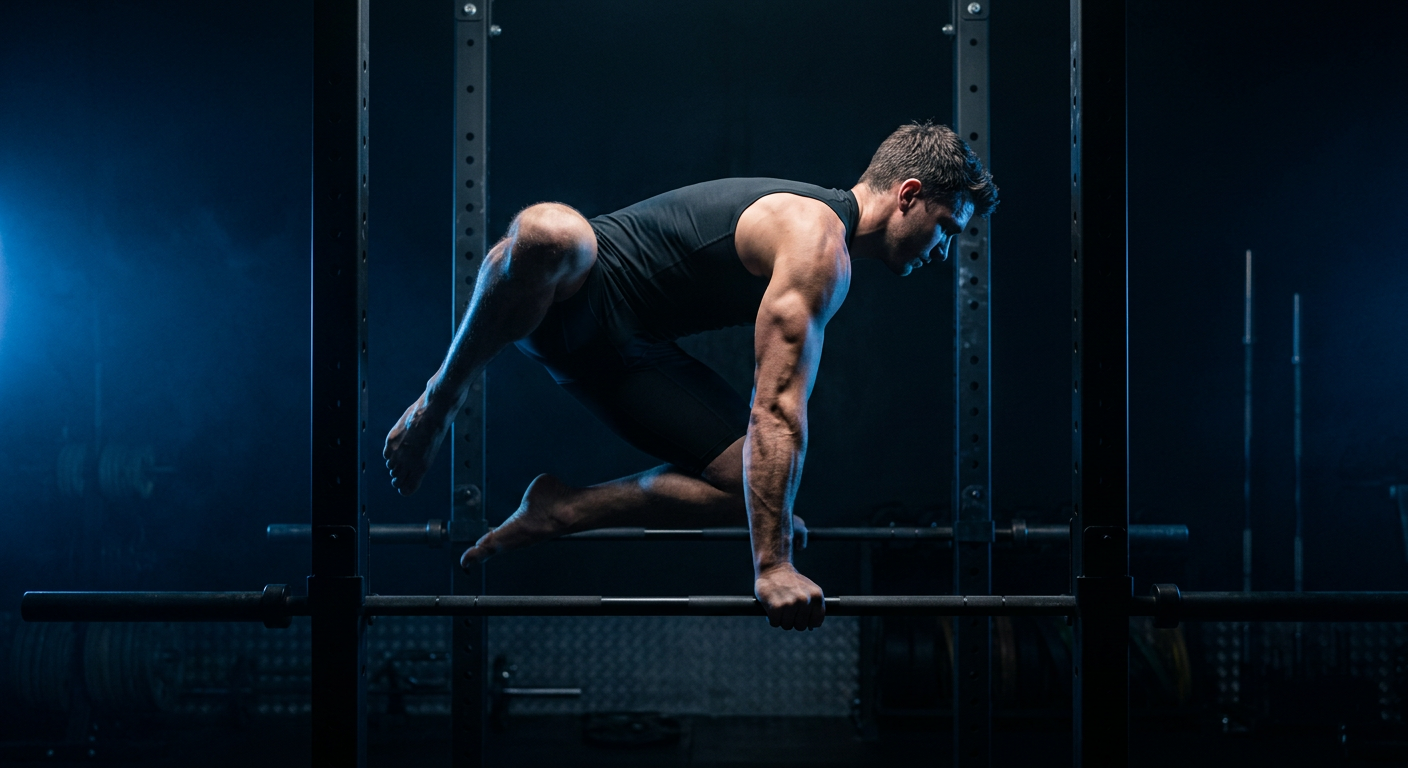
  2. Athlete performing Tuck Back Lever
    Step 2Beginner Next · locked

    Tuck Back Lever

    Why it matters: Base work. Builds the range and control you need before load goes up, and prepares Straddle Back Lever.

    Unlock: 3 x 20s hold

    Easier: Skin the Cat · Next: Straddle Back Lever

  3. Intermediate
    Athlete performing Straddle Back Lever
    Step 3Intermediate Locked

    Straddle Back Lever

    Why it matters: Strength phase. Cleaner reps here mean less compensation later in Full Back Lever.

    Unlock: 3 x 12s hold

    Easier: Tuck Back Lever · Next: Full Back Lever

  4. Athlete performing Full Back Lever
    Step 4Intermediate Locked

    Full Back Lever

    Why it matters: Strength phase. Cleaner reps here mean less compensation later in Full Back Lever.

    Unlock: 3 x 8s hold

    Easier: Straddle Back Lever · Next: full skill reached

When to advance

  • Hit the unlock standard with clean form on two separate sessions before moving up.
  • Leave ego out — regress the movement the moment form breaks.
  • Skill work first while you are fresh, strength and conditioning after.
  • Tendons and joints adapt slower than motivation. Add a little each week, not a lot today.

Practice this level

Build a practice circuit

One regression, your current rung and the next one — timed.

Back Lever circuit

  • Skin the Cat
  • Tuck Back Lever

Circuit timer

0:40Work

Skin the Cat

Round 1 of 3

Cue timelineBlock 1 / 12
Work 40s Rest 30s Cue edge

Beeps at 3·2·1 and on every work / rest switch.

REPPRR — Back Lever ladder circuit

3 rounds · 40s work / 30s rest · about 7 minutes

Move through the list in order, rest 30s between exercises, then repeat the round.

#ExerciseWorkRestRounds
1Skin the Cat40s30s3
2Tuck Back Lever40s30s3
Skin the Cat

1. Skin the Cat

Unlock: 3 x 5 slow reps

  1. Hang from rings or a bar with straight arms.
  2. Pull your knees up and roll them through your arms.
  3. Keep rolling until you hang upside down behind the bar.
  4. Roll slowly back the same way.

Watch out: Go slow. Shoulders need time to get used to this stretch.

Tuck Back Lever

2. Tuck Back Lever

Unlock: 3 x 20s hold

  1. Roll through into the bottom of a skin the cat.
  2. Tuck your knees to your chest and stop when your back faces the floor.
  3. Straighten your arms and hold the body horizontal.
  4. Roll back out to finish.

Watch out: Keep the elbows locked — a bent arm lever can strain the elbow.

REPPRR

REPPRR takes you from your first wall push-up to the front lever, with food that matches the work you put in.

Train

Exercise libraryProgression laddersCalculators

Account

Sign inMy hub

Legal

Terms of ServicePrivacy Policy

Disclaimer: REPPRR provides general fitness and nutrition guidance for healthy adults. It is not medical advice and is not a substitute for a qualified doctor, physiotherapist or registered dietitian. Check with a professional before starting a new training or eating plan, especially if you have an existing condition or injury.